
Garage Door, Gate & Fence FAQ
Straight answers to the questions Santa Clarita homeowners ask us most. Don't see yours? Call (661) 347-3090.
Serving Santa Clarita, Canyon Country, Valencia, Saugus, Newhall, Stevenson Ranch & Castaic
Garage Door Repair
The most common causes are a broken spring, a snapped or slipped cable, an opener or remote fault, a safety sensor that is out of line, or a door that has come off its track. If the opener hums but the door does not move, a broken spring is the usual cause. Stop pressing the button and call for an inspection.
Most common repairs, such as springs, cables, rollers and opener adjustments, are completed on the first visit because the parts are carried on the truck. Special-order panels or doors take longer.
Simple things like replacing remote batteries or cleaning sensor lenses are fine. Springs and cables hold enough tension to cause serious injury, so leave those to a technician with the right tools.
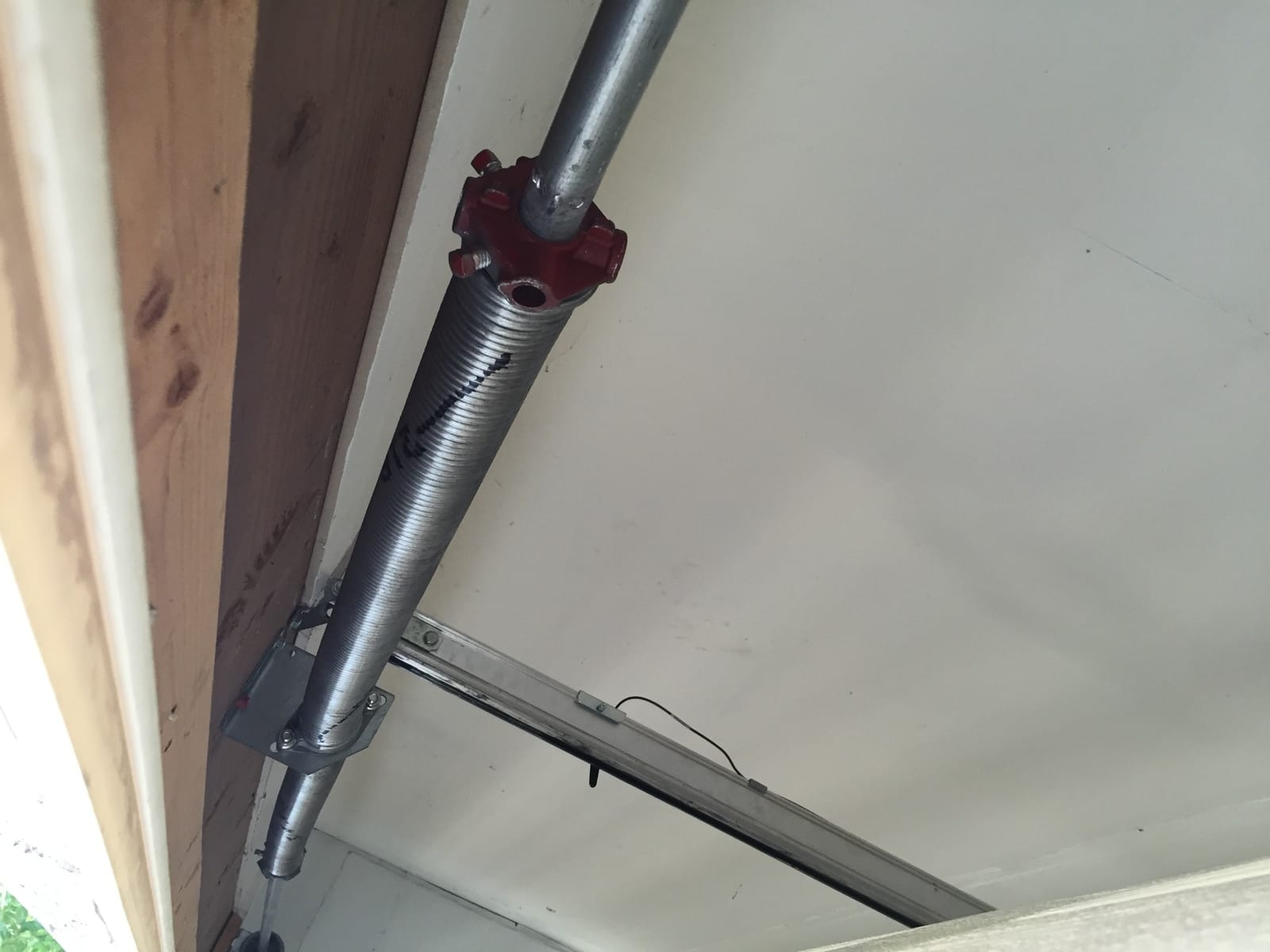
Look above the closed door. A broken torsion spring has a visible gap a few inches wide. Other signs are a loud bang from the garage, a door that suddenly feels very heavy, an opener that hums or lifts the door only a few inches, and a door that rises crooked.
It is not safe to keep running the opener, and lifting the door by hand means lifting its full weight, often well over 100 pounds. If you must get a car out, pull the emergency release only with the door fully closed and have two people lift it, then leave it open until the spring is replaced.
On doors with two torsion springs, we usually recommend replacing both. They were installed together and have done the same number of cycles, so when one breaks the other is near the end of its life. We will tell you honestly if the second spring still has life in it.
Lift cables run from the bottom corners of the door to drums on the spring shaft, or through pulleys on extension-spring doors. They transfer the springs' lifting force to the door and keep both sides rising evenly.
A cable hanging loose, a door that sits crooked or lifts higher on one side, a door that jams partway, or visible fraying near the bottom bracket are the common signs.
Usually because the door hit an obstruction or got stuck while closing, which lets the cable go slack and jump the drum. Worn drums, a broken spring and misaligned tracks can also cause it.
Rollers sitting outside the track, a door that is crooked or twisted, a gap between the door and the frame, or a door that jams and will not move are the usual signs.
A car bumping the door, a broken cable or spring, worn or broken rollers, loose track brackets, or something blocking the door while it closes.
It is not recommended. An off-track door is unstable and still connected to springs under heavy tension. Forcing it can bend the panels or let the door fall.
Openers, Sensors & Remotes
The most common causes are a broken spring, which makes the door too heavy for the opener, a disengaged emergency release, or a stripped drive gear inside the opener.
Usually a safety sensor that is out of line, dirty or blocked, or a close-force setting that needs adjusting. A door that is out of balance can also trigger the auto-reverse.
Gear kits, logic boards, sensors and remotes are often worth repairing. If the opener is old, has no battery backup or Wi-Fi and the repair is a large part of the price of a new one, replacement is usually the better value.
The sensors may look fine but be slightly out of line, have a dirty lens or a damaged wire. Sun shining straight into a receiving sensor can also confuse it on late afternoons. If the door closes while you hold the wall button, the sensors are almost always the cause.
A blinking or off light on one sensor usually means the two eyes are not seeing each other because of misalignment, a blocked or dirty lens, or a wiring fault.
Yes, you can try. Clean the lenses and gently adjust the bracket until both lights are solid. If they will not stay lit, a wire or sensor has probably failed.
Emergency & Maintenance
A door stuck open so the house cannot be secured, a door stuck shut with a car you need inside, a door that came off its track or was hit by a vehicle, or a snapped spring or cable that leaves the door unsafe.
Field service is available 24 hours Sunday through Thursday, and until 2 PM on Friday. There is no field service on Saturday, but you can still call and leave the details.
Stop using the opener, keep people and pets away from the door and do not try to force it. If the door is stuck open and you can safely do so, park a car across the opening or lock the interior door to the house.
Once a year for most homes, and twice a year if the garage is the main way in and out of the house.
Lubricating springs, rollers, hinges and bearings; tightening hardware; checking cables, springs, drums and tracks; testing balance; adjusting the opener's travel and force; and testing the sensors and auto-reverse.
Dry hinges and rollers, worn steel rollers, loose hardware or an opener chain that needs adjusting. A tune-up usually makes a big difference.
New Garage Doors
Most residential replacements are installed in a single day once the door arrives. Custom and special-order doors take longer to manufacture.
In the Santa Clarita Valley, yes, especially for attached garages, west-facing doors or a garage used as a gym or workshop. Insulation keeps the garage noticeably cooler in summer and makes the door quieter and stronger.
Not always. If your opener is in good shape and suits the new door's weight, it can stay. Heavier wood or glass doors, or an old opener without battery backup, are good reasons to upgrade.
Gate & Fence Repair
Usually worn or undersized hinges, a leaning post or a gate heavier than its frame was built for. We replace hinges, reset or reinforce posts and add bracing or a wheel where needed.
A dirty or bent track, worn rollers or a misaligned guide. We clean and straighten or replace the track, replace rollers and realign the gate.
Yes. Broken welds, cracked pickets and rusted sections can usually be repaired and refinished instead of replacing the whole gate or fence.
Gate Openers
Common causes are a power or breaker problem, a dead backup battery, a failed control board, a blocked or misaligned safety sensor, a remote or keypad fault, or a gate that is binding and tripping the operator's overload protection.
Usually a sensor or safety edge being triggered, incorrect limit settings, a failing control board or a gate that drags and trips the motor's obstruction sensing.
Yes. We install keypads, remotes, intercoms and smartphone control on most gate operators.
Fences
Most residential fences take one to three days after materials arrive, depending on length, material, slope and how much old fence has to come out.
Yes. We remove and haul away the old fence as part of the project.
Wood and vinyl privacy fences give full screening. For a modern look, horizontal wood or composite on a steel frame is popular.
Composite fence boards are made from a blend of wood fibers and plastic. They look like wood but resist rot, insects and splitting.
Very little. Rinse it with water or wash it with mild soap. It never needs stain or paint.
Yes, up front. It usually comes out ahead over time because there is no sealing and no replacing rotted boards.
It is lighter and less rigid than steel but plenty strong for residential and pool fencing. For maximum security on a driveway gate, steel is still the best choice.
No. Aluminum does not rust, which is why it is so popular around pools.
Yes. We install aluminum pool fencing with self-closing, self-latching gates built to meet local pool barrier requirements.
Santa Clarita Valley
Still Have a Question?
Call AER Garage Door Repair and talk to a technician.